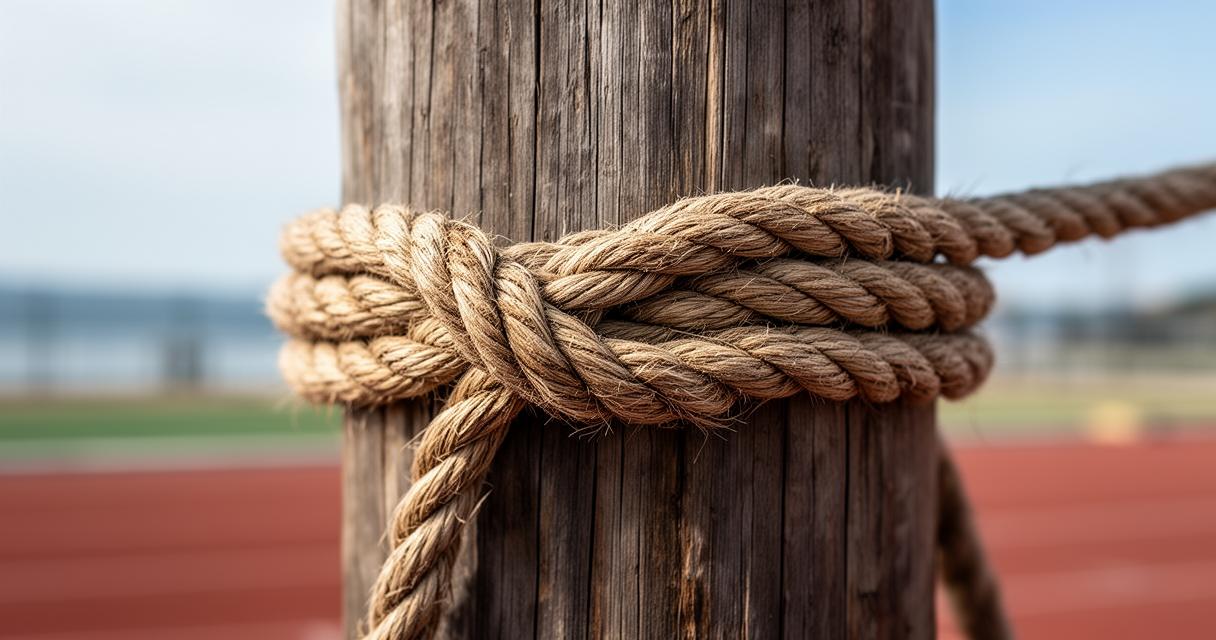
The art of knot-tying has captivated adventurers, sailors, and climbers for centuries, serving as both a practical skill and a testament to human ingenuity. Among the myriad of techniques that have emerged, one stands out for its elegance and versatility. Whether you find yourself securing gear on a mountainside or fastening a line to a mooring buoy, mastering this particular fastening method can prove invaluable in countless situations where quick and reliable rope work is essential.
Understanding the Clove Hitch: Applications in Mountaineering and Seamanship
Why the Clove Hitch is Essential for Climbers and Sailors
The clove hitch knot has earned its place as a fundamental technique in both climbing and maritime environments due to its remarkable simplicity and functional design. Climbers frequently rely on this method when securing themselves to an anchor point, appreciating how quickly it can be tied and adjusted even in challenging conditions. The knot's ability to hold tension well makes it particularly valuable during moments when stability is paramount, such as when establishing a temporary belay or organizing gear on a multipitch route.
In the realm of seamanship, this fastening technique proves equally indispensable for temporary mooring and securing lines to posts or rings. Sailors value how effortlessly it can be undone after bearing a load, making it ideal for situations where quick release is necessary. The knot's versatility extends to stage scenery work and general outdoor applications, demonstrating its utility beyond specialized pursuits. For anyone venturing into subarctic expedition territory or engaging in rescue techniques, understanding this rope safety method becomes an essential component of their skill set.
Key characteristics that make this knot reliable under tension
What distinguishes the clove hitch from other binding methods is its unique structure, which consists of two asymmetrical loops that interact in a specific manner to create friction against the object being secured. This configuration allows the knot to grip effectively when tension is applied along the standing part of the rope, making it suitable for anchor security in various contexts. The design inherently adjusts to changes in load direction, though this characteristic also contributes to its limitations under certain conditions.
The practical knots category includes several alternatives, yet the clove hitch maintains its position due to its speed of execution and minimal rope consumption. When properly dressed and set, the knot performs admirably in load-bearing applications where the direction of pull remains relatively constant. Its effectiveness in mountaineering technique applications has been documented extensively, with climbers noting how the method facilitates efficient rope management during complex ascents, particularly when combined with carabiner attachment systems that enhance overall climbing gear functionality.
Step-by-Step Guide to Tying a Clove Hitch Correctly
Creating the Two Loops and Proper Crossing Technique
The fundamental approach to forming this knot involves understanding two distinct scenarios based on whether you have access to the end of the object or must work around its middle section. For the first method, which applies when the end of a post or rail is accessible, begin by taking your length of rope and forming an initial loop where the working end crosses over the standing part from right to left. This creates the foundation upon which the entire structure will be built.
Next, create a second loop in similar fashion, but this time ensure that the crossing occurs from left to right, establishing the characteristic pattern that gives the knot its strength. The two loops should be positioned adjacent to each other, with the working end emerging from beneath the second wrap. This tying method emphasizes precision in the crossing sequence, as reversing the order can result in a configuration that lacks the proper binding characteristics. For those learning loop creation techniques, starting with a pre-tied example and carefully deconstructing it can provide valuable insight into how the elements interact.
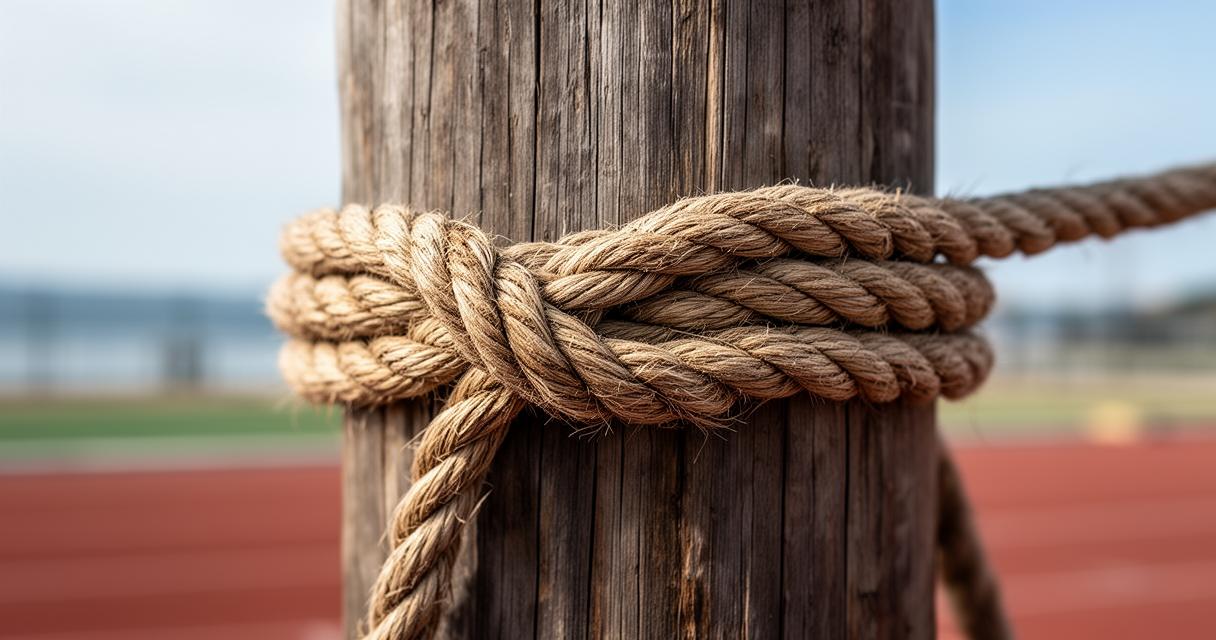
When circumstances require tying around the middle of an object, such as when securing to a standing pole or tree trunk, the approach differs slightly. Begin by wrapping the rope under and around the object, then crossing over the standing line as you complete the first circuit. Continue with a second wrap that passes over the first before tucking the working end beneath this upper strand, effectively creating the same asymmetrical loop structure through a different sequence of movements. This variation proves particularly useful in climbing knot applications where the anchor point cannot be accessed from above.
Tightening and Adjusting Your Knot for Optimal Security
Once the basic structure has been formed, proper tightening becomes crucial for ensuring the knot performs as intended. Pull both the working end and the standing part firmly while maintaining pressure against the object to seat the wraps correctly. The loops should nestle snugly against one another without excessive overlap or spacing, creating a compact form that resists unwanted movement. During this process, observe how the rope fibers interact, ensuring that no twists or irregularities compromise the structure.
Adjustment capability represents one of the clove hitch's most valued features, allowing users to fine-tune tension without completely untying the fastening. By loosening one side while maintaining control of the other, you can slide the entire knot along the object or modify the length of the standing part as needed. This characteristic proves especially beneficial in outdoor survival situations where conditions change rapidly and gear positioning requires frequent modification. Advanced practitioners develop proficiency in one-handed tying techniques, which become invaluable during ice climbing or other scenarios where maintaining contact with the rock face or equipment limits available hands.
Safety Considerations and Practical Tips for Using the Clove Hitch
Checking for Slack and Preventing Knot Failure During Activities
Despite its widespread use and general reliability, the clove hitch possesses inherent limitations that demand awareness and vigilance. The knot has a documented tendency toward slippage when subjected to intermittent loading or when the direction of pull shifts significantly, particularly with modern low-friction rope materials. Regular inspection becomes essential during extended use, especially in mountaineering technique applications where consequences of failure can be severe. Before committing full weight or load to the system, physically test the knot by applying gradual tension while observing its behavior.
Knot slippage typically manifests as gradual lengthening of the working end or visible loosening of the wraps, signs that should prompt immediate correction or replacement with a more secure alternative. The issue of binding presents another consideration, as the knot can become extremely difficult to untie after bearing substantial load, particularly when wet or when dressed incorrectly. For critical climbing gear applications, many experienced practitioners prefer using the clove hitch in conjunction with a backup stopper knot or opt for alternatives such as the bowline knot, figure 8 knot, or alpine butterfly loop, each offering different security profiles suited to specific scenarios.
The double fisherman's bend and round turn two half hitches represent robust alternatives when maximum security outweighs the need for quick adjustment, while the rolling hitch provides superior grip on smooth poles or posts where standard configurations might creep. Understanding when to employ each method forms part of comprehensive rope safety education, ensuring that your choice matches the demands of the situation. Rope care practices also influence performance, as damaged or degraded cordage compromises any knot's effectiveness regardless of proper execution.
Best Practices for Mooring and Load-Bearing Applications
When employing the clove hitch for temporary mooring or other load-bearing purposes, several best practices enhance both safety and functionality. First, ensure that the object to which you're fastening provides adequate diameter and surface texture to generate sufficient friction. Smooth or narrow poles may not offer enough resistance to prevent the knot from sliding, particularly under dynamic loads. In such cases, adding extra wraps or transitioning to a more appropriate fastening method becomes necessary.
For marine applications, consider the material properties of your line in relation to the expected loads and environmental conditions. Modern synthetic ropes often exhibit different behavior compared to traditional natural fibers, requiring adjustments in technique or selection of knot alternatives better suited to their characteristics. Quick release needs should also factor into your decision-making process, as while the clove hitch can be untied relatively easily under most conditions, severe binding issues can develop after prolonged tension or exposure to moisture.
In adventure literature and documented subarctic expedition accounts, experienced travelers emphasize the importance of maintaining multiple techniques in your repertoire rather than relying exclusively on any single method. This redundancy ensures you can adapt to varying circumstances, equipment types, and emergency situations where your primary approach may prove inadequate. Regular practice across different scenarios, from casual camping to technical rescue techniques applications, builds the muscle memory and judgment necessary for confident execution when conditions become challenging and decisive action is required.