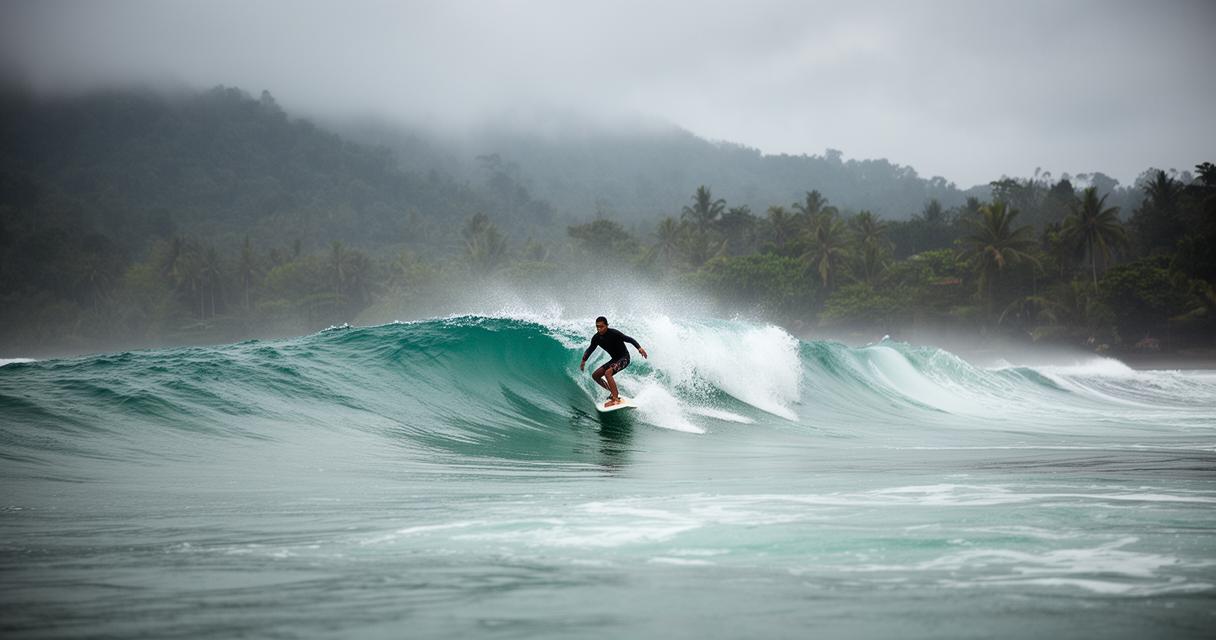
Indonesia's sprawling archipelago offers surfers an extraordinary blend of tropical beauty and world-class waves, making it a premier destination for wave riders seeking adventure during the peak of summer. January falls within the wet season, presenting unique opportunities for those who understand the shifting dynamics of the Indian Ocean swells and the monsoon patterns that sculpt the coastline. While many surfers gravitate toward the famous breaks of Bali, the southern shores of Java reveal hidden gems where consistent swells meet less crowded lineups, creating an ideal environment for both seasoned surfers and those looking to refine their skills. This guide explores the most rewarding surf destinations across Indonesia's 17,000 islands during January, with a particular focus on the diverse and often overlooked surf regions along Java's coastline.
Prime indonesian surf destinations for january swells
Java's southern coast: consistent waves and less crowded breaks
Java stands as a treasure trove for surfers who seek variety and relative solitude compared to the more tourist-heavy islands. The southern coast of Java presents a remarkable array of surf breaks that cater to different skill levels, from the powerful left-hand barrels of G-Land to the gentle rollers found in Central Java. G-Land, located in the remote southeastern corner, is renowned for its world-class left-hand reef breaks that produce long, hollow barrels. Although the dry season from April to October typically delivers the most consistent and powerful swells to this area, January still offers surfable conditions, particularly for advanced surfers who appreciate the challenge of heavier waves and the solitude that comes with the wet season. The access to G-Land often requires a boat ride, adding an element of adventure to the journey and ensuring that crowds remain minimal even during peak travel months.
Central Java presents a more forgiving environment, particularly around Batu Karas, where the waves are mellow and ideal for beginners or those looking to enjoy long, fun rides without the intensity of heavy reef breaks. The bay at Batu Karas shelters the waves, creating a more manageable surf that encourages progression and confidence building. Moving westward, West Java offers a diverse mix of surf spots including Cimaja and Sawarna, both of which provide a range of conditions suitable for intermediate and advanced surfers. Cimaja is particularly popular for its consistent waves and accessible location, making it a favourite among those exploring Java's surf scene. Sawarna, slightly more remote, rewards the journey with less crowded breaks and stunning natural surroundings. Panaitan Island, situated off the southwestern tip of Java, challenges even the most experienced surfers with its powerful and often unpredictable waves. Accessible only by boat, this remote location guarantees an uncrowded experience and the opportunity to surf pristine breaks surrounded by lush tropical scenery.
Bali's west coast: legendary surf spots during peak season
While Java offers remarkable surf opportunities, Bali remains the heart of Indonesia's surf culture, especially along its west coast where the island's most iconic breaks reside. January coincides with the wet season, but the west coast benefits from offshore winds and swells that continue to deliver quality waves throughout this period. Bali's left-hand reef breaks are legendary, with spots such as Uluwatu, Padang Padang, and Keramas drawing surfers from around the globe. These breaks cater to a wide range of abilities, though the more challenging reef breaks demand respect and experience. Uluwatu, with its consistent waves and dramatic cliff-side setting, offers multiple sections that can accommodate both intermediate and advanced surfers, while Padang Padang provides shorter but intensely powerful barrels that test even the most seasoned wave riders.
Lombok, a short journey east of Bali, also merits attention for surfers seeking less crowded conditions without sacrificing wave quality. The island's southern coastline features a variety of breaks that benefit from the same swell patterns that energise Bali's breaks, yet the comparatively lower number of visiting surfers ensures more space in the lineup. Sumbawa and the Mentawai Islands, though further afield, represent some of Asia's finest surf hotspots. The Mentawai Islands in particular are celebrated for their reliable southwest swells and consistent wave formations. During January, these islands continue to receive swells, though the wet season can bring less predictable conditions compared to the dry months. Nonetheless, the combination of pristine breaks, remote locations, and surf camps such as The Shadow Mentawai and Mondo Lifestyle Resort make these destinations highly attractive for those willing to venture beyond the more accessible regions.
January Weather Patterns and Surf Conditions Across the Archipelago
Monsoon season advantages: offshore winds and clean wave formations
Understanding the weather patterns during January is crucial for maximising your surf experience in Indonesia. The wet season, which spans from November to March, brings increased rainfall and shifting wind patterns that can significantly influence surf conditions. However, this period also presents distinct advantages for surfers who know where to look. The monsoon generates offshore winds along certain coastlines, which groom the wave faces and create clean, well-formed swells. Java's southern coast benefits particularly from these offshore conditions during January, as the prevailing wind direction helps to hold up the wave faces and create longer, more rideable waves. This phenomenon contrasts with the dry season, when onshore winds can sometimes disrupt the quality of the surf.
The wet season also tends to produce smaller and more manageable swells compared to the powerful swells of the dry season, making January an excellent time for intermediate surfers to challenge themselves in conditions that are less intimidating yet still rewarding. The reduced swell size does not necessarily mean a lack of quality; rather, it offers a different style of surfing that emphasises technique and positioning over sheer power. Surf camps such as Rapture Surf Camp Green Bowl provide daily surf sessions and gear rental, allowing surfers to take full advantage of these conditions without the logistical challenges of sourcing equipment or navigating unfamiliar breaks. The inclusion of surf equipment recommendations, such as performance shortboards for heavy waves and funboards for beginners, ensures that surfers are well-prepared to match their gear to the prevailing conditions.
Wave height expectations and swell direction throughout january
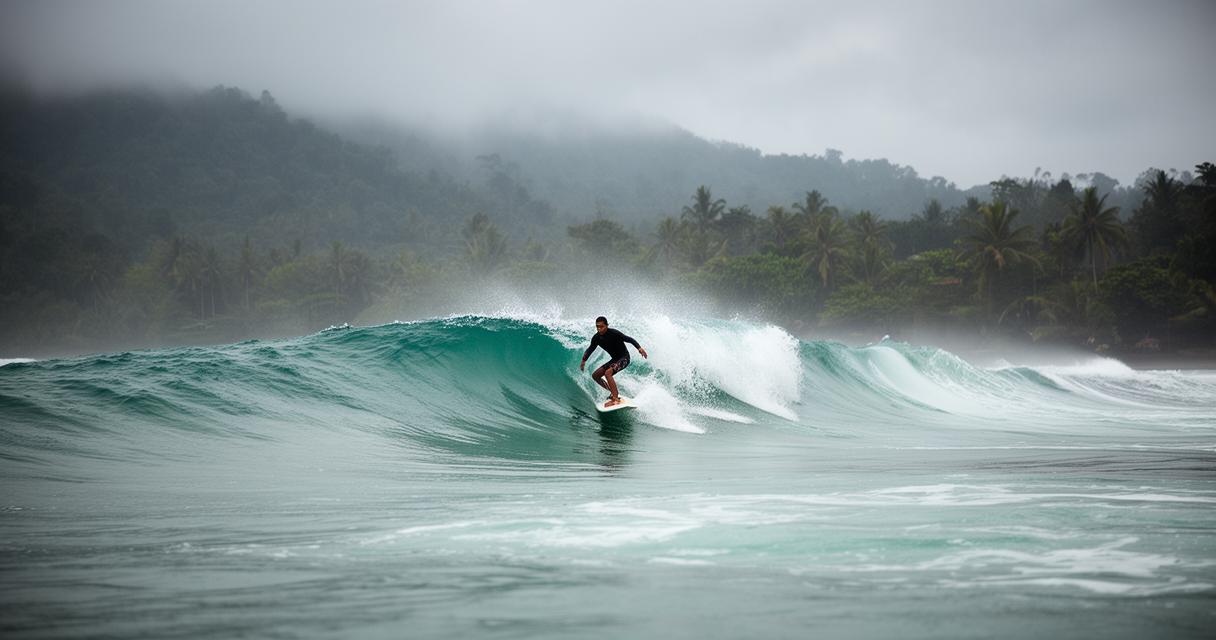
January's wave heights across Indonesia vary significantly depending on the specific location and exposure to swell patterns. On Java's southern coast, surfers can expect wave heights ranging from waist-high to overhead, with occasional larger sets arriving during particularly active swell windows. The swell direction during this period typically originates from the southwest, though the wet season can introduce more variable swell directions as storms track across the Indian Ocean. This variability requires surfers to remain flexible and attentive to daily surf forecasts, as conditions can shift rapidly. The Mentawai Islands, known for their reliable southwest swells, continue to receive consistent wave energy throughout January, though the swells may lack the raw power characteristic of the dry season months from April to October.
Bali's west coast benefits from a similar swell pattern, with breaks such as Uluwatu and Padang Padang receiving consistent wave energy even during the wet season. The reef breaks along this coastline are designed by nature to amplify swell energy, creating waves that maintain their shape and power even when the incoming swells are smaller. This characteristic makes Bali's left-hand reef breaks particularly appealing during January, as surfers can enjoy quality waves without the intense crowds that often accompany the dry season. Lombok and Sumbawa also receive regular swells during this period, with wave heights that cater to a range of abilities. The diversity of breaks across these islands ensures that surfers can find conditions suited to their skill level, whether they seek gentle rollers in protected bays or challenging reef breaks that demand precision and commitment.
Matching your skill level to indonesia's january surf breaks
Beginner-friendly spots: gentle rollers and protected bays
For those new to surfing or looking to build confidence in a supportive environment, Indonesia offers numerous beginner-friendly spots that thrive during January. Batu Karas in Central Java stands out as an ideal destination for novices, with its mellow waves and sandy bottom providing a forgiving environment for learning the fundamentals of wave riding. The bay's natural protection ensures that the waves remain manageable, allowing beginners to practice paddling, pop-ups, and wave selection without the added pressure of powerful reef breaks. The local surf community is welcoming and supportive, creating an atmosphere that encourages progression and celebrates the joy of surfing. Budget accommodation options, including guesthouses that range from ten to twenty dollars per night, make Batu Karas an affordable choice for extended surf trips.
Cimaja in West Java also caters well to beginners and intermediate surfers, offering a mix of wave types that allow for gradual skill development. The waves here are consistent and predictable, providing ample opportunities to refine technique and build stamina. Funboards are particularly well-suited to these conditions, offering the stability and buoyancy that beginners need to catch waves with greater ease. Surf camps in these regions often provide comprehensive packages that include daily surf sessions, equipment rental, and instruction, ensuring that newcomers receive the guidance necessary to progress safely and effectively. The emphasis on matching surf equipment to skill level is critical, as beginners benefit from boards that offer forgiveness and stability, while more advanced surfers may opt for performance shortboards that allow for greater manoeuvrability on more challenging waves.
Advanced reef breaks: challenging conditions for experienced surfers
Experienced surfers seeking the thrill of powerful, hollow waves will find no shortage of challenges across Indonesia's vast archipelago during January. G-Land remains one of the most iconic destinations for advanced surfers, with its powerful left-hand breaks delivering long, barrelling rides that test even the most seasoned wave riders. The remote location and boat access ensure that the crowds remain manageable, allowing surfers to fully immerse themselves in the raw power and beauty of these waves. However, the sharp reefs that characterise many of Indonesia's premier breaks demand respect and careful navigation. Protective equipment such as reef booties and appropriate wetsuits can help mitigate the risk of injury, but experience and wave knowledge remain the most critical factors in safely surfing these challenging conditions.
Panaitan Island offers another world-class destination for advanced surfers, with its remote location and challenging waves creating an environment that rewards commitment and skill. The island's breaks are accessible only by boat, adding an element of adventure to the surf trip and ensuring that only the most dedicated surfers make the journey. The waves here can be powerful and unpredictable, requiring surfers to read the ocean with precision and respond to changing conditions with confidence. Sawarna in West Java also presents advanced breaks that cater to experienced surfers, with a mix of reef and point breaks that deliver quality waves in a less crowded setting. The diversity of surf breaks across Java and the surrounding islands ensures that advanced surfers can find conditions that challenge their abilities while offering the natural beauty and cultural richness that make Indonesia such a compelling destination.
It is important for all surfers, regardless of skill level, to be aware of the hazards associated with surfing in Indonesia. Sharp reefs pose a constant threat, particularly in shallow water or during low tide when the reef is closer to the surface. Limited medical facilities in remote locations mean that even minor injuries can become serious if not properly managed. Surfers should carry a basic first aid kit and be prepared to handle cuts and scrapes immediately. Additionally, mosquito-borne illnesses such as dengue fever and malaria remain a concern in some regions, making insect repellent and protective clothing essential components of any surf trip. Despite these challenges, the rewards of surfing in Indonesia during January are immense, with consistent waves, stunning landscapes, and the opportunity to explore some of the world's most iconic surf breaks in relative solitude. Whether you are drawn to the gentle rollers of Batu Karas or the powerful barrels of G-Land, Indonesia's diverse surf regions offer something for every surfer willing to embrace the adventure.